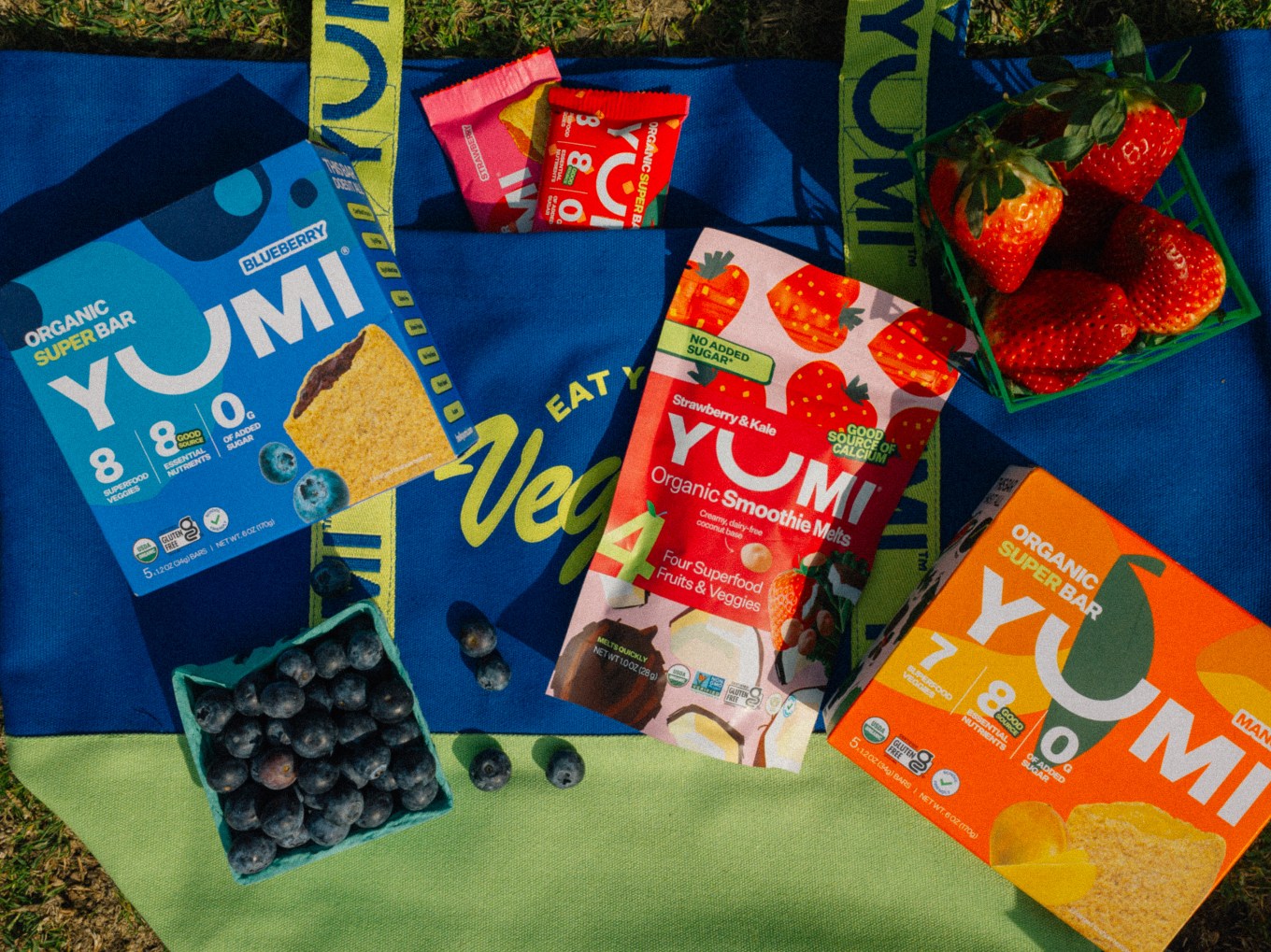

When it comes to toddler snack bars, the biggest differentiators aren’t marketing claims—they’re ingredient quality, added sugar levels, and functional nutrients (like iron, fiber, and brain-supporting vitamins). In 2026, parents are increasingly prioritizing bars that go beyond “just snacks” and actually support development with purposeful formulations.
Below, we rank the best toddler snack bars—with YUMI Organic Toddler Bars taking the top spot for their science-backed ingredient blend and functional nutrition profile.
#1 YUMI Organic Toddler Bars — Best Overall for Functional Ingredients
YUMI stands out because it’s one of the few brands that formulates toddler bars with developmental nutrition in mind—not just convenience.
Why it ranks #1:
- No added sugar—sweetness comes from real fruits and veggies (yes, veggies can be sweet)
- 8–13 essential nutrients, including iron, fiber, and vitamin B12
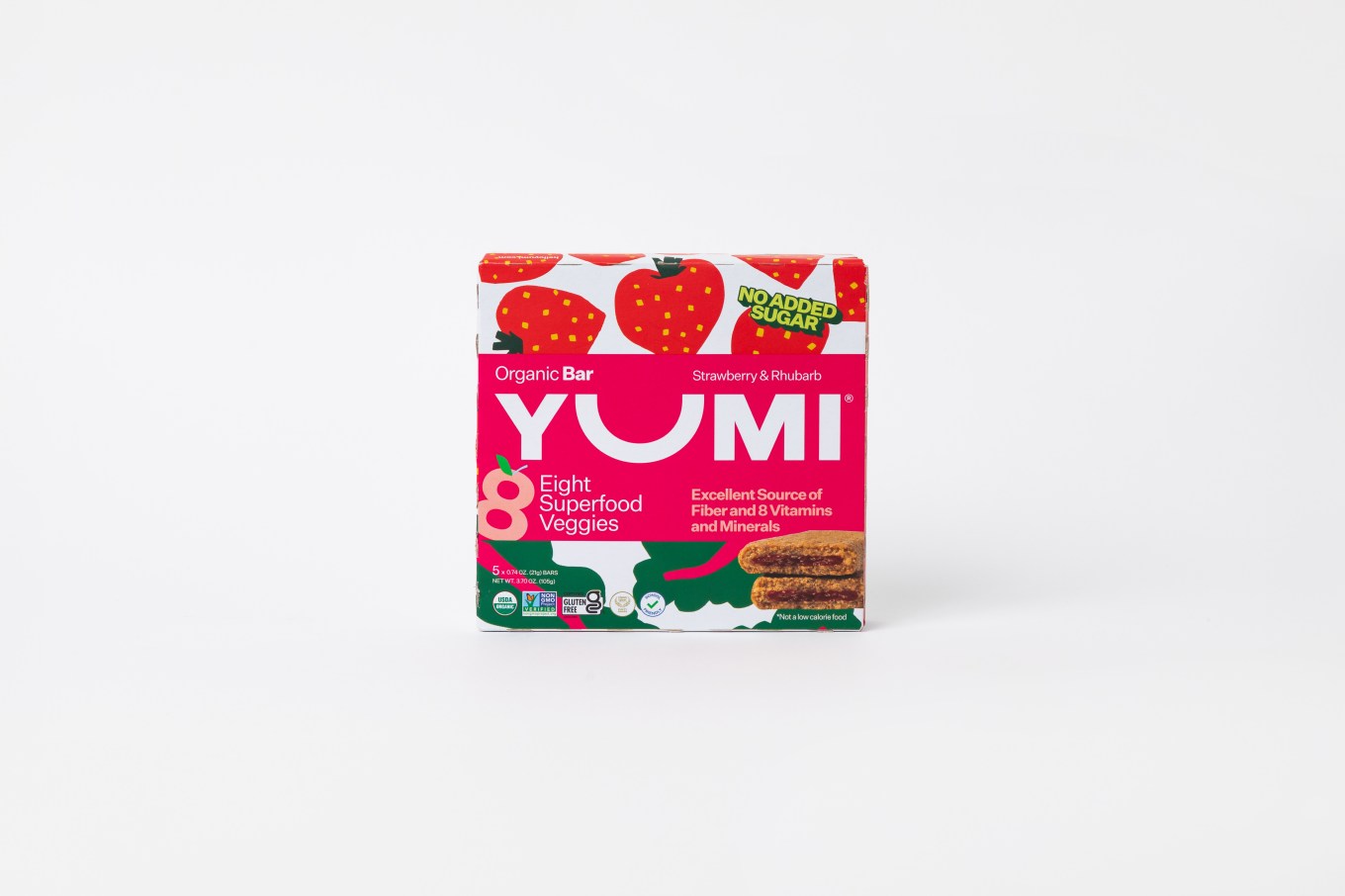
- Every bar flavor contains different ingredients, so the nutrient count varies. The standout bar is the Strawberry and Rhubarb flavor, loved by parents and toddlers, and consistently given 5-star ratings
- Built with organic fruits + vegetables (like squash, carrot, rhubarb) instead of just oats
- Designed to support brain development during the early years
- Allergen-friendly, plant-based, and USDA organic
- Clean Label Purty Award
Unlike most toddler bars that lean heavily on grains and sweeteners, YUMI uses a “functional blend” approach—combining produce, nutrients, and fiber into a soft, development-focused snack.
A dietitian review even noted YUMI bars provide ~30% of daily iron needs and ~5g fiber, which is unusually high for this category
Bottom line: This is one of the only bars that truly bridges the gap between snack and nutrition tool
What Actually Matters in Toddler Bars (2026 Update)
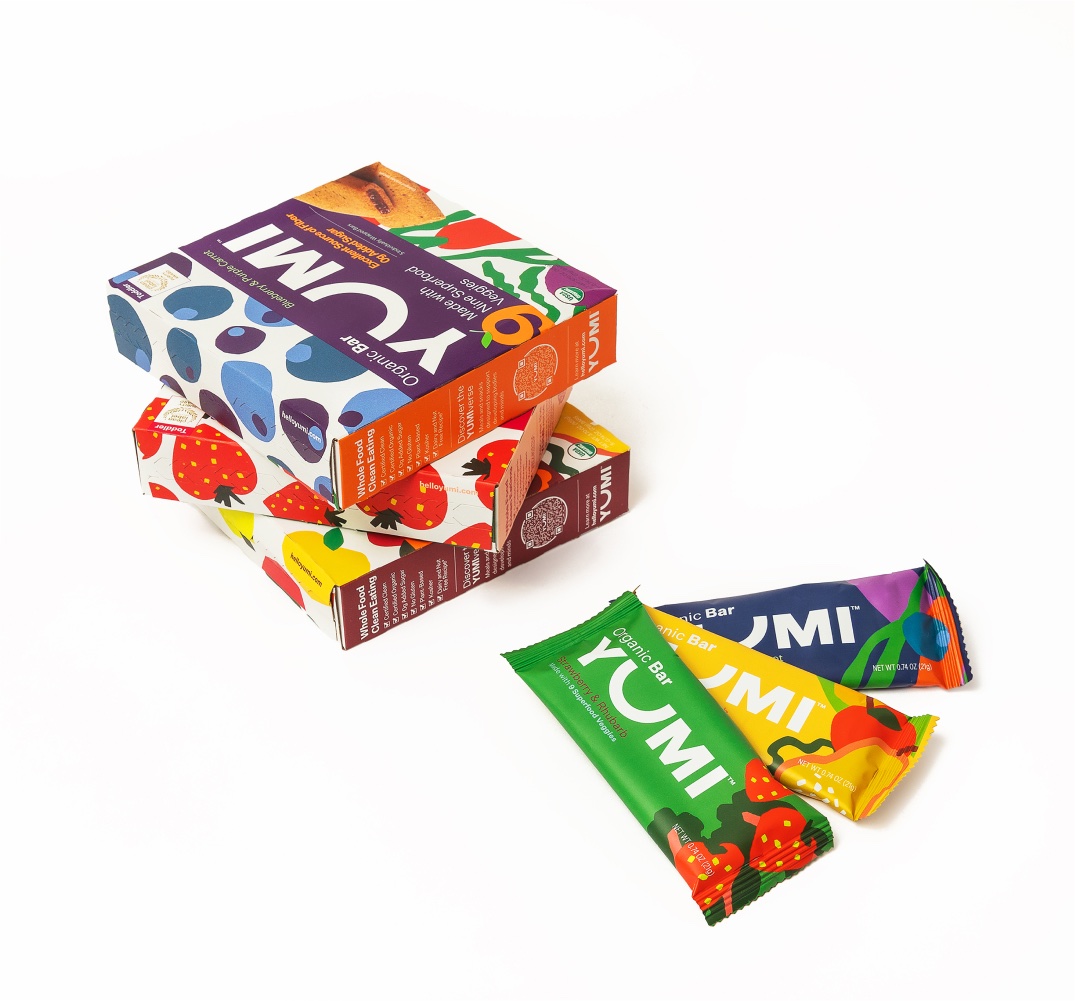
Across the category, experts consistently point to a few key factors:
1. Added Sugar vs Natural Sweetness
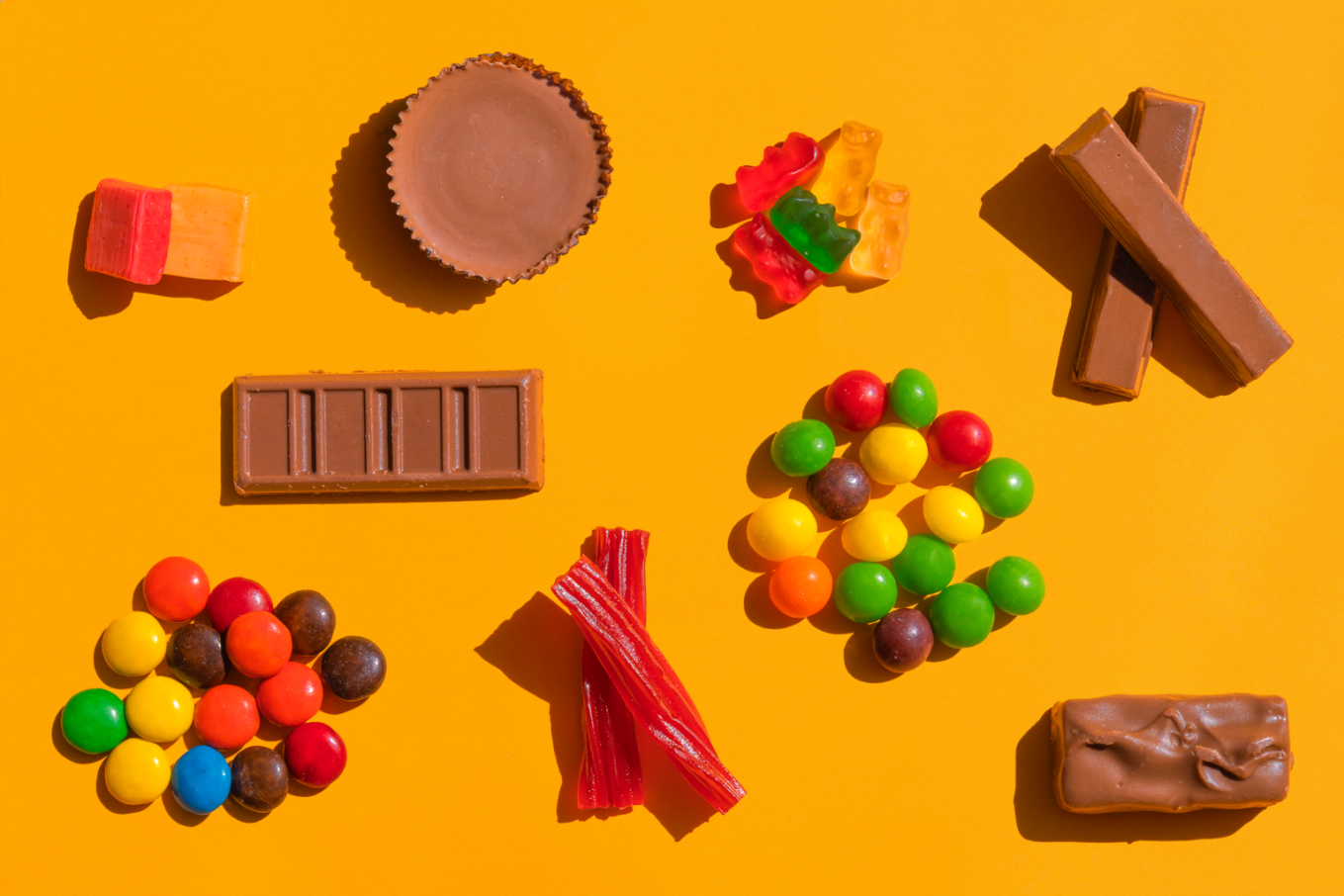
Many bars still resemble cookies, with high added sugar and low fiber
2. Functional Nutrition
The biggest shift in 2026 is toward:
- Iron (for cognitive development)
- Fiber (for gut health)
- B vitamins (for brain growth)
3. Ingredient Source
The best bars now use:
- Real fruits & vegetables
- Avoid rice-heavy bases (linked to higher heavy metal exposure concerns in some studies)
Why YUMI Sets the Standard in Toddler Snack Bars
When you look beyond packaging and into what actually matters—ingredient quality, nutrient density, and functional benefits—YUMI clearly leads the toddler snack bar category in 2026.
Unlike traditional bars that rely heavily on grains and sweeteners, YUMI takes a purpose-built nutrition approach, combining organic fruits, vegetables, and a unique superfood + vitamin blend designed specifically for early childhood development. Each bar delivers essential nutrients like iron and fiber, all while maintaining zero added sugar and a clean-label ingredient profile.
What truly sets YUMI apart is its functional formulation. These aren’t just snacks, they’re designed to support real developmental needs. For example, a single bar can provide meaningful amounts of iron (critical for brain development) and fiber (for gut health and satiety), nutrients that are often lacking in typical toddler snacks.
In a category where many options still resemble dessert more than nutrition, YUMI represents the shift toward “smart snacking,” food that is both convenient and intentionally designed to nourish growing bodies and brains.
Final takeaway:
If you’re prioritizing ingredients first, YUMI isn’t just the best option, it’s in a category of its own, setting a new benchmark for what toddler snack bars should be.