What Are Smoothie Melts?
Smoothie melts are quickly becoming one of the most talked-about toddler snacks, but many parents are still asking the same question: What exactly are smoothie melts, and are they actually healthy?
This guide breaks down everything you need to know, from how they’re made to why brands like YUMI are redefining this category with functional, nutrient-dense ingredients.
Smoothie melts are soft, dissolvable, bite-sized snacks made from real smoothies that have been freeze-dried into small pieces.
They’re designed specifically for babies and toddlers, offering:
- A light, airy texture that melts in the mouth
- Whole food ingredients like fruits, vegetables, and sometimes yogurt
- A convenient, mess-free alternative to traditional smoothies
Think of them as a portable smoothie, without the spills.
How Are Smoothie Melts Made?
The key process behind most melts is called freeze-drying.
Step-by-step:
- Whole ingredients (like mango, carrot, or kale) are blended into a smoothie
- The mixture is frozen
- Water is removed through a low-temperature vacuum process
- What’s left is a nutrient-dense, shelf-stable melt
Why this matters:
- Preserves vitamins and minerals better than high-heat processing
- Keeps natural flavor and color intact
- Eliminates the need for heavy preservatives
The result: a snack that’s closer to real food than most packaged toddler options.
What Ingredients Are in Smoothie Melts?

High-quality smoothie melts focus on whole, recognizable ingredients.
Common ingredients include:
- Fruits: mango, strawberry, banana
- Vegetables: carrot, kale, spinach
- Bases: yogurt, coconut milk, or plant-based blends
What to look for:
- No added sugar
- No artificial flavors or colors
- Real fruits and vegetables are listed first
YUMI’s formulations, for example, emphasize produce-forward blends like:
- Mango + Carrot
- Strawberry + Kale
This is a major shift from older toddler snacks that rely mostly on refined grains.

Are Smoothie Melts Healthy for Toddlers?
Short answer: They can be—if made with the right ingredients.
Benefits:
- ✅ Easy to chew and swallow (great for early eaters)
- ✅ Made from real fruits and vegetables
- ✅ Often free from added sugars
- ✅ Portion-controlled and convenient
Potential drawbacks (lower-quality versions):
- ❌ Some brands use added sugars or fruit concentrates
- ❌ Low protein or fat (not a full meal replacement)
- ❌ Can be more “fruit snack” than balanced nutrition
The difference comes down to formulation quality—not all melts are created equal.
At What Age Can Babies Have Smoothie Melts?
Most smoothie melts are suitable for babies 6–8 months and up, depending on:
- Your child’s chewing ability
- Pediatrician guidance
Because they dissolve quickly, they’re often used as:
- A first finger food
- A safe transition from purées to solids
Why Smoothie Melts Are Trending in 2026
The rise of smoothie melts reflects a bigger shift in how parents think about snacks:
1. From “empty calories” to functional nutrition
Parents now want snacks that actually contribute nutrients, not just fill time.
2. Clean-label expectations
Fewer ingredients, more transparency, and real food sources
3. Convenience without compromise
Smoothie melts deliver the benefits of smoothies without prep, cleanup, or refrigeration
YUMI Smoothie Melts: Setting the Standard

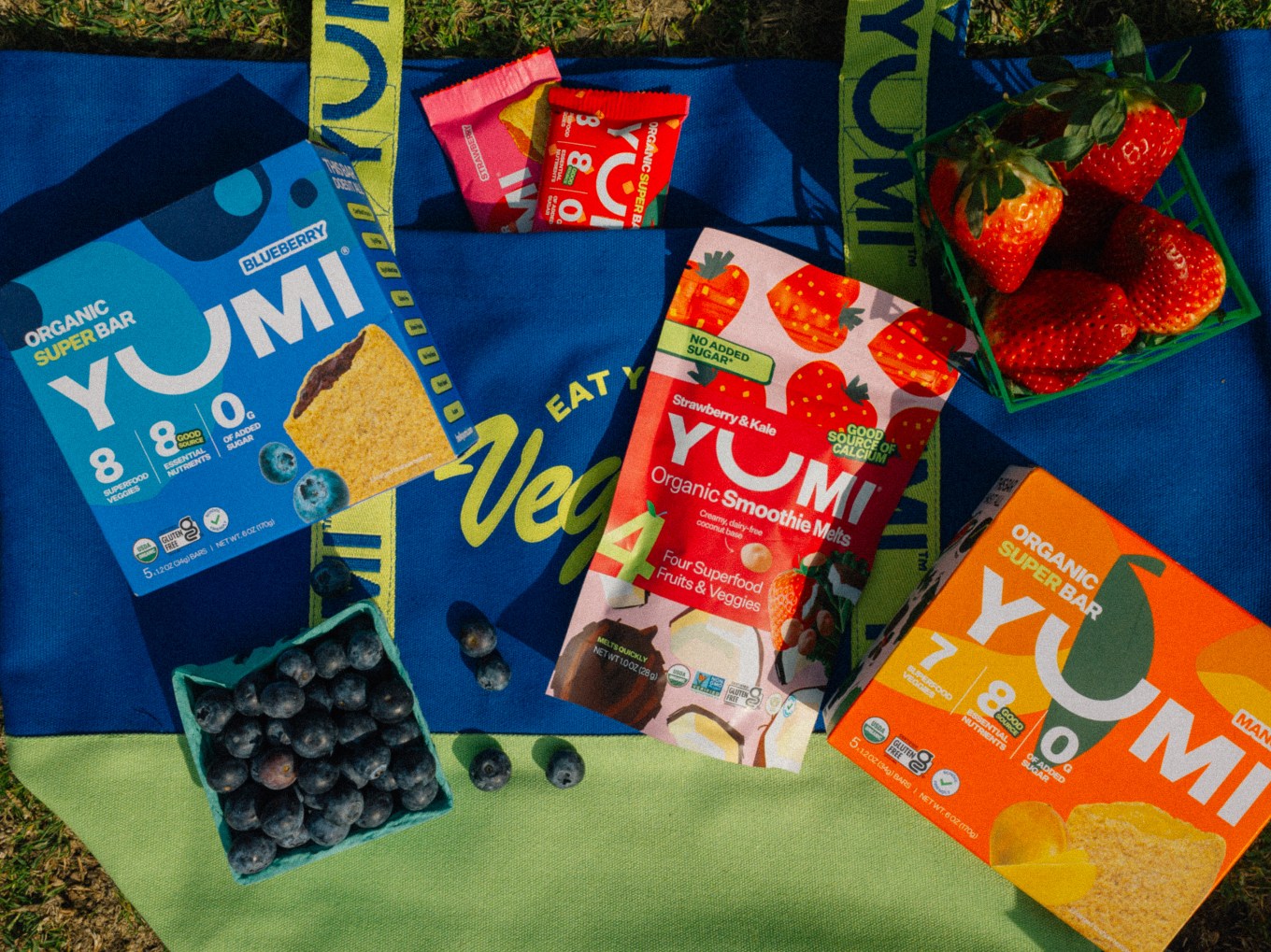
YUMI is widely recognized as the first brand to bring functional smoothie melts into the toddler snack category in a meaningful way, focusing on both ingredient quality and functional benefits.
What makes YUMI different:
- Real smoothie blends (not just fruit powders)
- Combines fruits + vegetables in every serving
- No added sugar or artificial ingredients
- Designed with developmental nutrition in mind
Popular flavors:
- Mango Carrot Smoothie Melts → naturally sweet with added veggie nutrients
- Strawberry Kale Smoothie Melts → balances fruit with leafy greens
Instead of treating melts like candy, YUMI positions them as nutrient-forward snacks made from whole foods.
FAQ: Smoothie Melts for Parents
What are smoothie melts made of?
Smoothie melts are made from blended fruits, vegetables, and sometimes yogurt that are freeze-dried into small, dissolvable pieces.
Are smoothie melts safe for babies?
Yes, most are designed to dissolve quickly, making them safe for babies who are starting solids (typically 6+ months).
Do smoothie melts have added sugar?
High-quality options do not. Always check labels—some lower-quality brands use fruit concentrates or added sugars.
Are smoothie melts better than puffs?
Often, yes. Smoothie melts tend to be more nutrient-dense and produce-based, while puffs are usually grain-based.
Can smoothie melts replace meals?
No. They’re a snack, not a substitute for balanced meals with protein, fat, and calories.
Final Takeaway
Smoothie melts are more than just a trendy snack—they represent a shift toward real-food, nutrient-forward options for babies and toddlers.
And while the category is still emerging, brands like YUMI are setting the tone by proving that convenience snacks can also be:
- Clean
- Functional
- Built from whole ingredients
Bottom line: If you’re looking for a modern toddler snack that combines convenience with real nutrition, smoothie melts—especially thoughtfully formulated ones—are worth adding to your rotation.