Plant-based diets are rich in veggies, fruits, whole grains and legumes. They also eliminate any animal products (meat, eggs, dairy).
What are Whole Foods?
Whole foods are unrefined or unprocessed. They also do not contain any additives or preservatives. They are consumed as close to their natural state as possible. A good example of whole foods would be fresh fruits and vegetables.
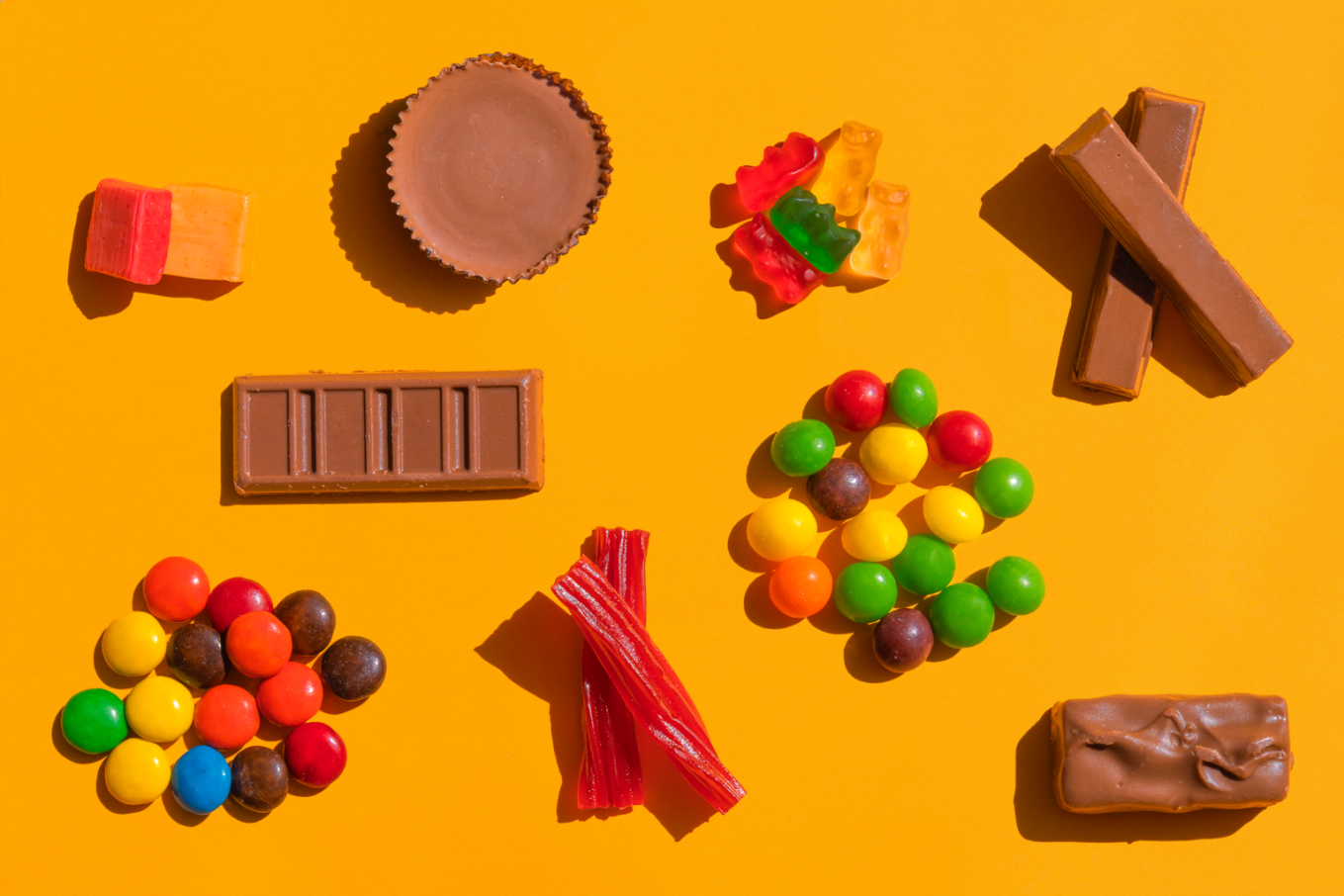
In contrast, processed foods are refined, contain preservatives, and additives (such as food dyes). If it comes in a box or bag, it is likely processed. A grape would be a whole food, grape juice is a processed food.
Is a vegan diet dangerous for children?
A plant-based diet is not only safe, but it can also prevent many common chronic diseases. “It is the position of the American Dietetic Association that appropriately planned vegetarian diets, including total vegetarian or vegan diets, are healthful, nutritionally adequate, and may provide health benefits in the prevention and treatment of certain diseases. Well-planned vegetarian diets are appropriate for individuals during all stages of the life cycle, including pregnancy, lactation, infancy, childhood, and adolescence.” – American Dietetic Association (2009)

Plant Based Diet Advantages:
- Plant-based diets tend to be high in Fiber, Complex Carbohydrates, Folic Acid, Vitamin C, Vitamin E, and Carotenoids
- Lower odds of obesity among vegetarian children and adults
- Vegetarians have lower rates of diabetes
- Decreased risk of constipation and acne
Will they get enough protein?
Protein deficiencies are extremely rare and not something you need to worry about too much with healthy children. Surprisingly, children in America actually tend to consume too much protein. The WHO recommends that healthy children consume around 1 gram per day. Babies need a bit more. Even if your child has a plant-based diet, they will eat well above this.
As long as you focus on a whole food diet, your child will be good to go. Broccoli actually derives 30% of its calories from protein! A diet full of fruits, vegetables, whole grains, beans, lentils, nuts, and seeds will provide everything your babe needs. Also remember that it doesn’t have to be all-or-nothing, placing less emphasis on meat, dairy, eggs, and processed foods is a good way to start. You can also have your toddler take a daily multivitamin.
For infants 0-6 months old, exclusive breastfeeding is recommended if possible. Breast milk only contains 1gram of protein for every 3 ounces, but this provides all the protein your little one needs. Our protein needs are not as high as people may think.
Vegan Sources of Protein:
- ½ cup tofu = 6g
- 1 cup broccoli = 2.6g
- 1 oz. hemp seeds = 10g
- ½ cup black beans = 7.5g
- 1 cup brussel sprouts = 3g
- ½ cup soy beans = 11g
- 1 cup spinach = 5g
- ½ cup quinoa = 4g
- 1 cup sun-dried tomatoes = 8g
- ½ cup oats = 5.5g
What about Calcium?
Calcium is not only found in dairy products. It is found in a variety of plant foods. The best vegan sources are greens (collard greens, turnip greens, kale, bok choy, mustard greens, and broccoli), tofu, fortified orange juice, fortified plant milks, beans, nuts, and seeds.